Home > All Green Living > Top 10 Ways to Protect Our Oceans
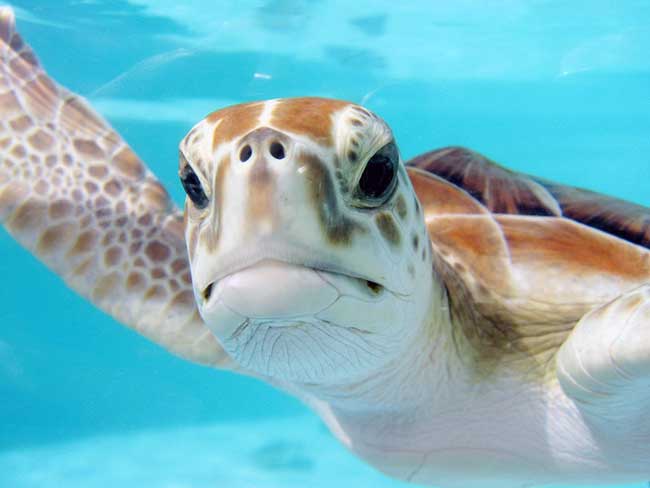
Covering over 70% of the Earth’s surface, the oceans are essential to the balance of Earth’s entire living system. Phytoplankton and other marine plants, like seaweed, produce as much as half of the world’s oxygen supply through photosynthesis. The ocean also regulates our climate by absorbing vast amounts of heat and carbon dioxide, helping stabilize global temperatures. Beneath the surface, it supports an immense and still largely unexplored web of life — from coral reefs and whales to deep-sea ecosystems that scientists are only beginning to understand. But today, our oceans are under siege — choked by plastic pollution that entangles marine life and breaks down into harmful microplastics; weakened by the destruction of critical habitats like coral reefs, seagrass meadows, and mangroves; and increasingly stressed by warming waters, acidification, and rising sea levels caused by climate change.
The good news? You have more power than you think to protect them. Every action you take, no matter how small, ripples outward. Whether you're picking up a bottle cap on a sidewalk, choosing reusable goods, or helping to restore a coastal wetland, you're becoming part of a global movement to heal and protect our blue planet. Below are ten powerful ways you can take to start making a difference today.

Most plastic pollution starts on land — often in cities and neighborhoods far from the coast. When it’s dropped or blown onto streets and sidewalks, rain washes it into storm drains, which empty into nearby creeks and rivers. These waterways act like highways, carrying the trash downstream until it eventually reaches the ocean, where it can harm marine life and ecosystems.
ACTION: Get in the habit of picking up trash wherever you run across it — in parks, streets, or trails — to stop it before it reaches the ocean.

This is one of the most direct ways to prevent plastic and other waste from reaching the ocean, where it becomes far harder to remove and much more damaging to marine life. These cleanup efforts not only remove pollution at the source but also raise community awareness, inspire behavior change, and generate data that can drive better policies and corporate responsibility. By taking part, you become part of a global solution that protects water, wildlife, and future generations.
ACTION: Join an existing cleanup or create your own:

In many countries, limited waste management infrastructure means that trash is often burned in open pits or dumped into rivers, vacant lots, or informal landfills. Burning releases toxic pollutants into the air, harming human health and contributing to climate change, while dumping allows plastics and other debris to wash into waterways and eventually the ocean. Without proper collection systems, even inland communities can unintentionally contribute to marine pollution thousands of miles away.
ACTION: Support NGOs working to fix this:

Choosing eco-friendly alternatives to plastic helps reduce demand for single-use items that often end up polluting rivers and oceans. Opting for reusable, compostable, or refillable products made from materials like glass, metal, or plant fiber prevents waste at the source. Every swap — from a bamboo toothbrush to a cloth shopping bag — is a step toward cleaner oceans and a more sustainable future.
ACTIONS:

Individual choices matter — but systemic change is essential to solving the plastic pollution crisis at scale. By advocating for stronger regulations, corporate accountability, and zero-waste policies, we can shift entire industries away from wasteful practices.
ACTION: Join campaigns like:

Many everyday synthetic products release tiny microplastic fibers that bypass wastewater treatment and end up in oceans, harming marine life.
ACTIONS:

Commercial fishing not only depletes fish populations but also generates a significant amount of ocean plastic pollution. Lost or discarded fishing gear, known as ghost nets, entangles marine animals and damages fragile ecosystems. Shockingly, ghost nets account for nearly half of the debris in the Great Pacific Garbage Patch, highlighting the urgent need for sustainable fishing practices and gear recovery programs.
ACTION: Choose plant-based seafood alternatives or certified sustainable sources

Wetlands, mangroves, and estuaries act as natural filters, trapping pollutants and plastics before they reach the open ocean. These vital ecosystems also stabilize shorelines, reduce erosion, and provide critical habitat for countless marine species. Protecting and restoring them strengthens coastal resilience against storms and climate change while keeping our oceans cleaner and healthier.
ACTIONS:

Rising ocean temperatures and increased acidification caused by CO2 emissions stress coral reefs, leading to widespread bleaching and weakening marine ecosystems. These changes disrupt food webs, reduce biodiversity, and threaten the livelihoods of communities that depend on healthy oceans. Addressing carbon pollution is critical to preserving the delicate balance of marine life and the benefits oceans provide.
ACTIONS:
Engaging others multiplies your impact — conversations, community events, and shared actions build momentum. By becoming a citizen scientist, you can contribute valuable data to ocean research projects, helping scientists and policymakers make informed decisions. Every voice and observation adds to the growing movement to protect our blue planet.
ACTIONS: